
Cleaner onion sorting at Monie
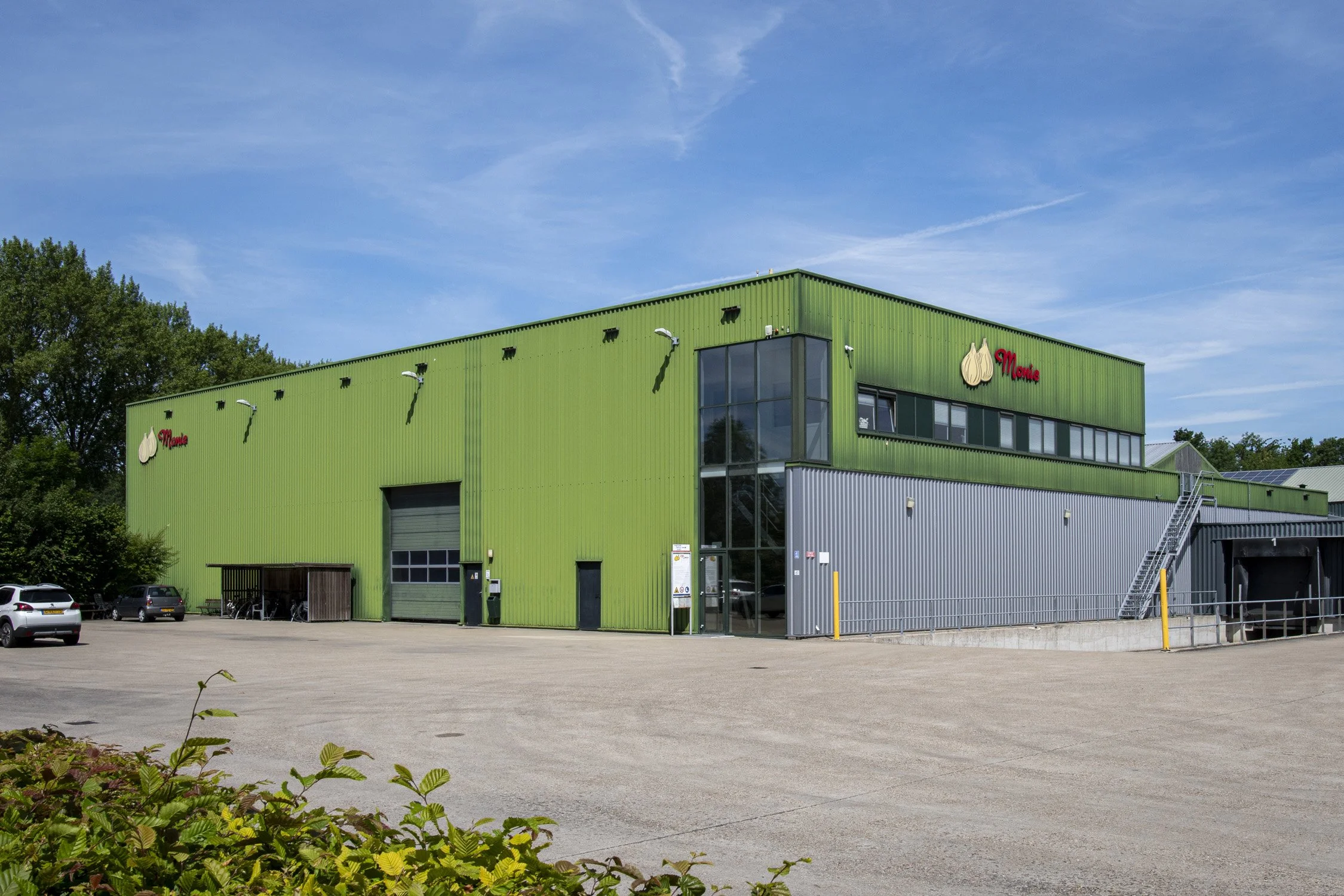
An optical sorting line performs best when dust extraction is built in from the start. Onion sorting and packing facility Monie in the Netherlands handles 88 million pounds of onions annually, so keeping things clean is crucial. Together with Modesta, owner Eric Moerdijk deliberately designed the sorting line around the dust extraction system, rather than the other way around.
To ensure that every machine in a processing line performs optimally, keeping the entire system clean is essential. This is particularly important for optical sorting machines, which rely on sensitive cameras. The less dust and loose onion skins present, the more accurately each onion can be scanned.
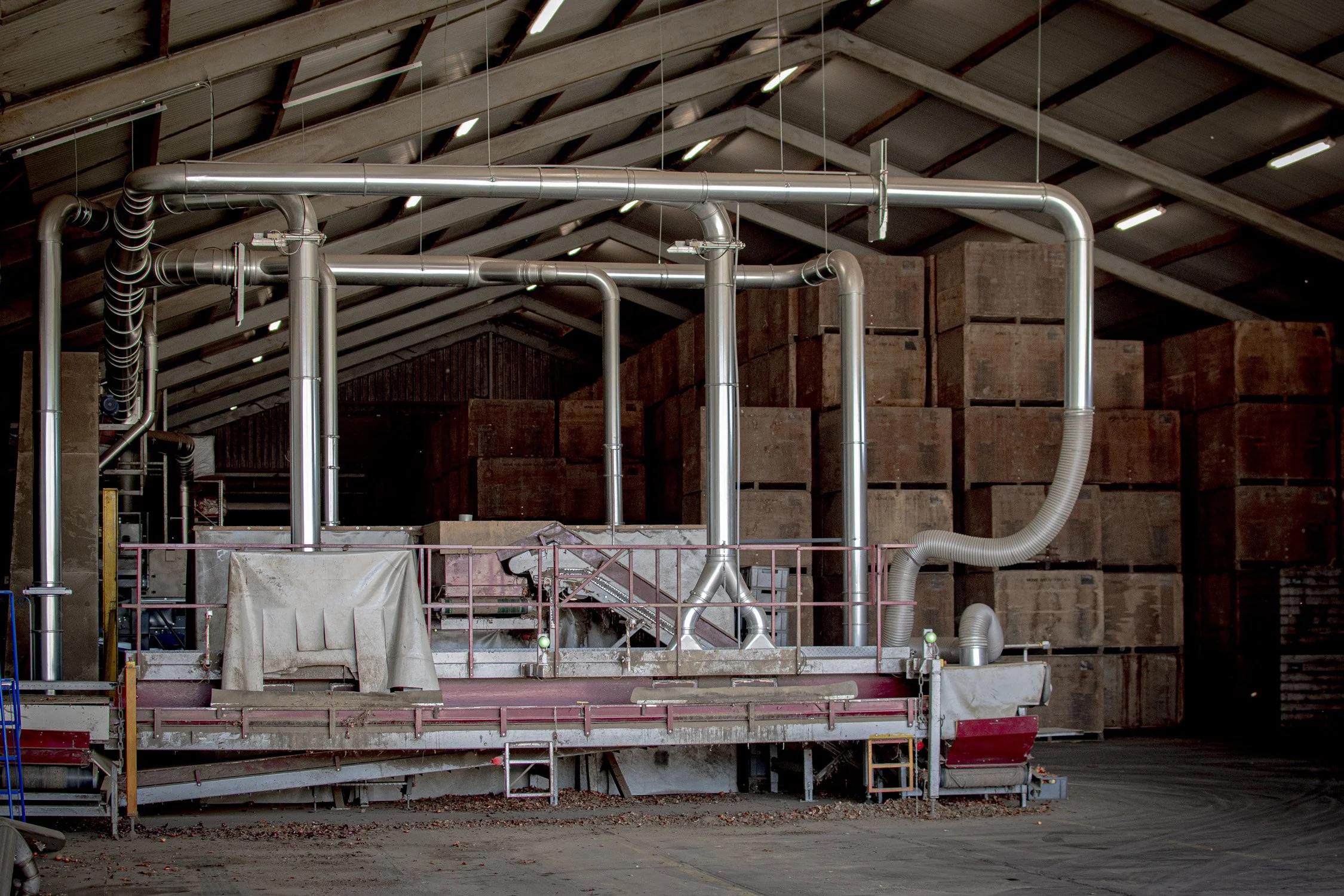

That is why Ko Weststrate, a member of Monie's technical maintenance team, contacted Modesta. “I knew we could optimise the process, particularly the dust extraction part. I wanted to bring in an expert,” he explains. And so Modesta was involved in the project.
Blowing and extracting
Sjoerd van Diepen, technical sales advisor at Modesta, has many years of experience in the onion industry. He explains: “Dust extraction is essentially cleaning with air. We call our approach active cleaning. By introducing and extracting air at precisely the right points, we help the optical sorting machine do its job more effectively, reducing the number of good onions that are wrongfully rejected.”
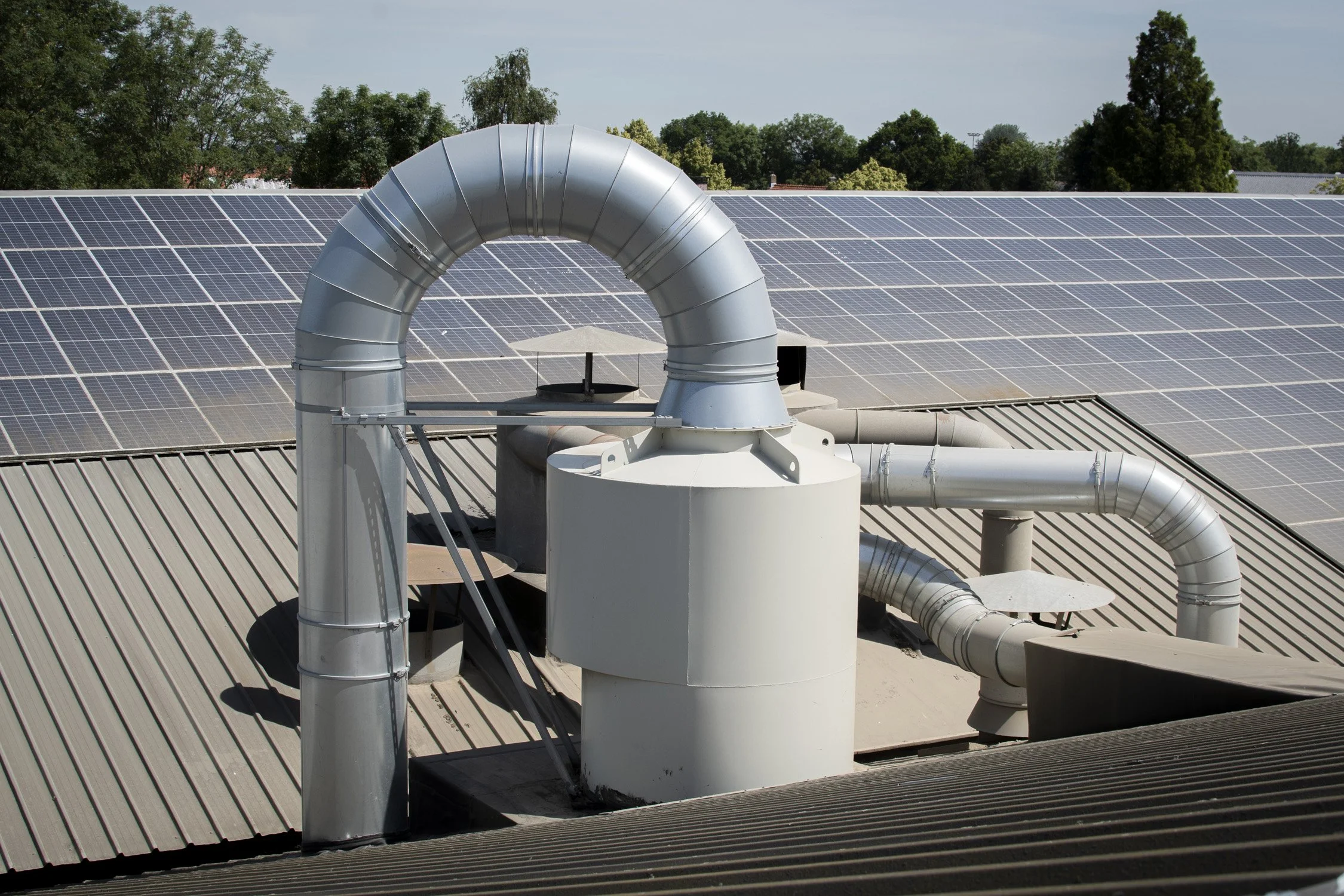
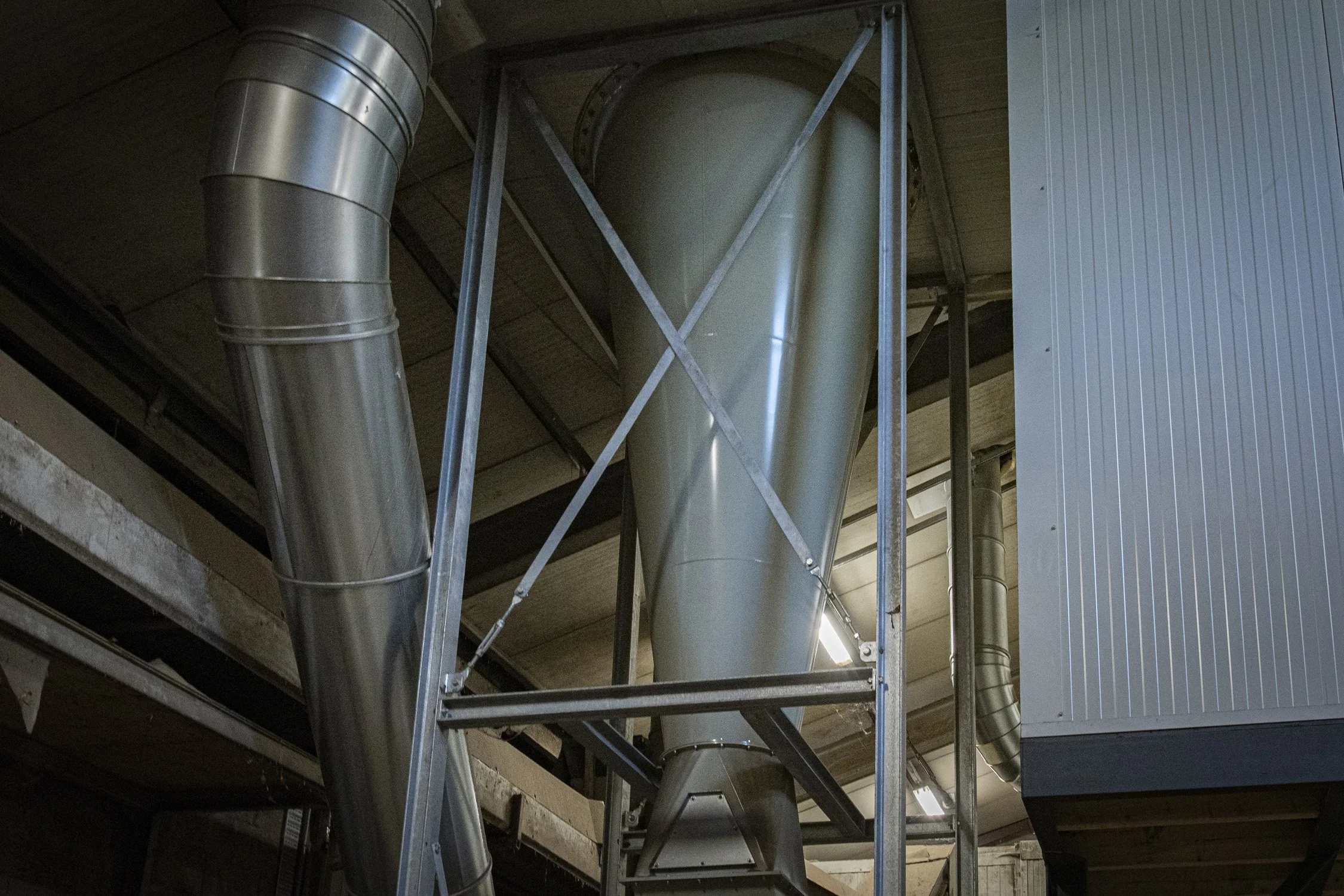
Modesta supplied Monie with an air separation cyclone that blows clean air into the sorting machine, creating positive air pressure. This helps prevent dust and loose onion skins from entering the machine. At the same time, dust and skins are extracted at strategic points throughout the process. Together, this combination of blowing and extraction creates a cleaner processing environment.
Small adjustment, big impact
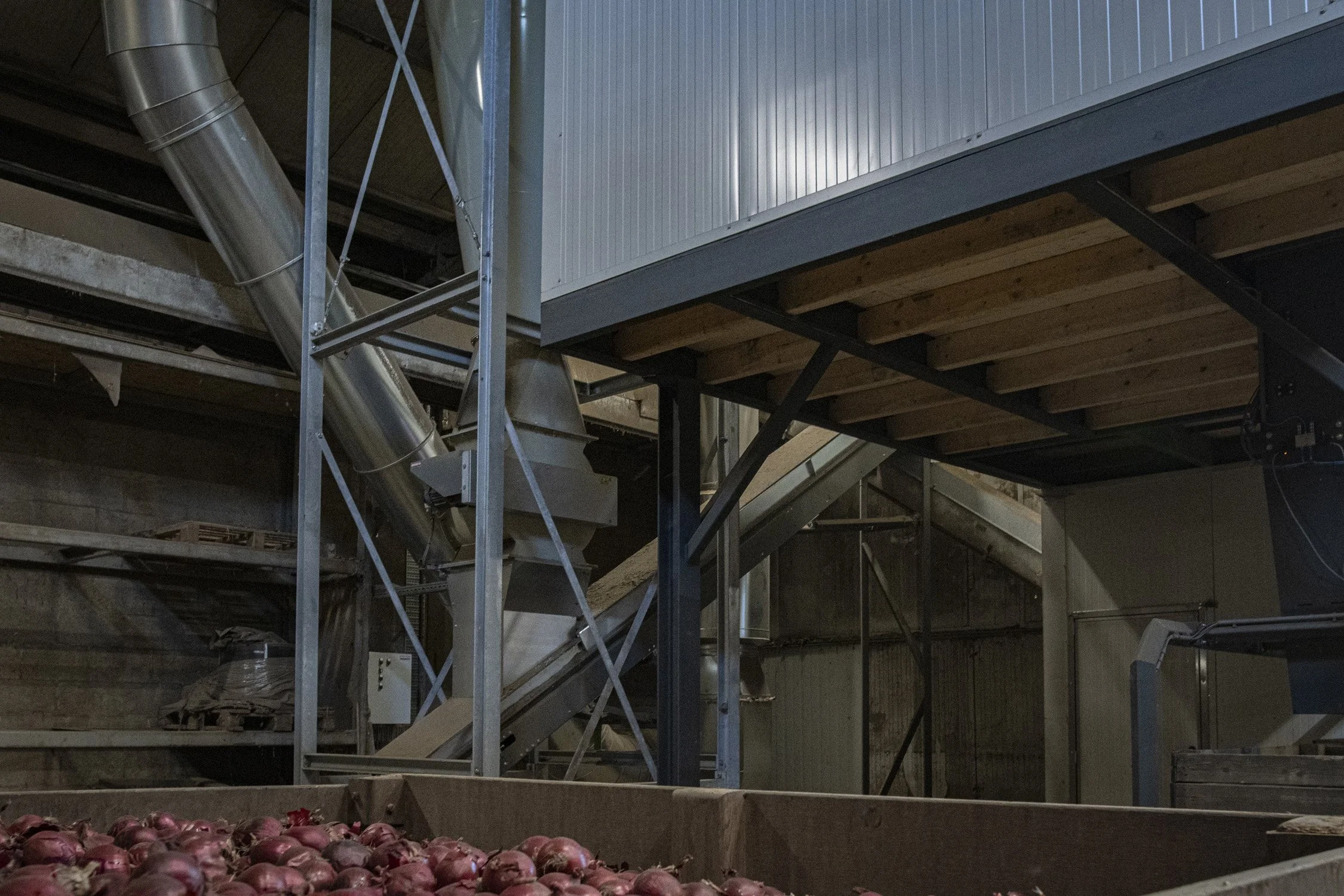
Sometimes a significant process improvement comes from a relatively simple modification. While the new line was still in the design phase, the Modesta team suggested adding a short conveyor belt. This creates an additional transfer point and spreads the onions over a larger surface area, allowing for more efficient extraction. “Add just half a metre of conveyor belt and you can achieve considerably better extraction efficiency. An investment like that quickly pays itself back,” says Sjoerd. Modesta also refurbished the existing ductwork. “The cyclones were still in good condition, so we kept them and refurbished the surrounding ductwork,” Sjoerd explains.
Installation was scheduled for February, Monie's quietest month. By sharing technical drawings in advance and coordinating the process meticulously, both teams were able to work efficiently and without delays. “Everything went smoothly and faster than expected,” says Monie owner Eric Moerdijk. Very little follow-up work was required, thanks also to the experienced installation engineers.
Visibly cleaner
The upgraded dust extraction system has been making a substantial difference. Eric still sees opportunities for further improvement at the intake system: “The more you remove at that stage, the greater the benefits further down the processing line.” The results are easy to spot: the onions enter storage cleaner, ventilation is more effective, and the machinery is exposed to less dust and loose onion skins. At the air separation system, Eric can see the volume of onion skins that have been removed from the process. “It's an enormous difference. We're genuinely producing a much cleaner product,” he concludes.